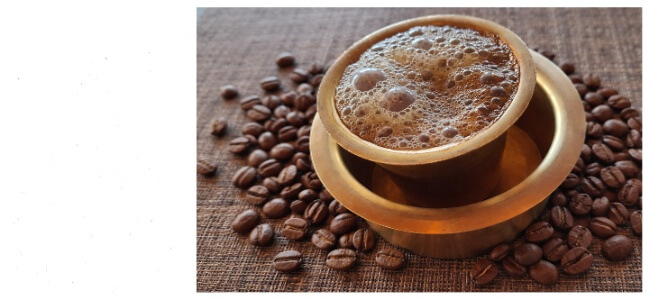
The heavenly aroma pierced subtly through the layers of unconsciousness induced by sleep. It was the familiar and homely aroma of South Indian filter coffee. The fragrance of the South Indian filter coffee drove away the last remnants of sleep. My eyes, still heavy with sleep, slowly opened as the comforting scent filled the air and gently announced the beginning of a new day. In that quiet moment, a simple question arose in our minds: what is a filter coffee, and why does this beverage have the power to awaken not just our senses, but also our memories and emotions?
This post is about what is a filter coffee, its deeper meaning, the science behind its brewing, the benefits it offers, and the authentic South Indian experience that has made this beverage an inseparable part of everyday life.
Table of Contents
Introduction to Filter Coffee
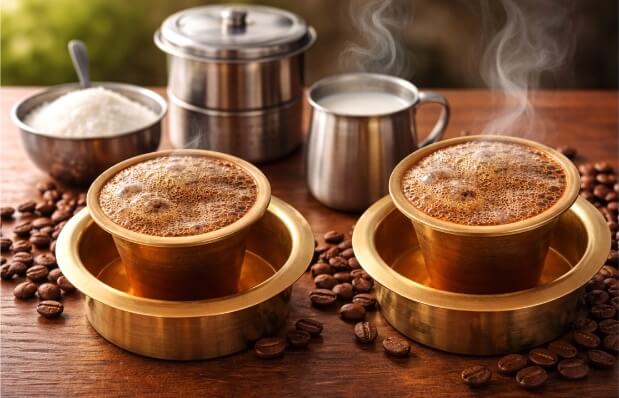
When we talk about comfort, tradition, and a daily ritual that connects generations, filter coffee often comes to mind. Many of us start our mornings with its familiar aroma and deep, soothing taste. But have we ever paused to truly understand what is a filter coffee and why it holds such a special place in our lives? This article is a complete journey into filter coffee meaning, history, science, health benefits, and preparation methods.
As we read further, we explore what is a filter coffee, how it is brewed, why the method matters, and how it differs from modern alternatives. We also understand the physics of filter coffee, discover the best filter coffee powder, and clearly break down the difference between instant coffee and filter coffee. Along the way, we ask ourselves important questions, learn step by step techniques, and reconnect with the soulful experience of Indian and South Indian filter coffee.
What Is Filter Coffee? Filter Coffee Meaning Explained
To put it simply, what is a filter coffee? Filter coffee is a beverage made by brewing finely ground coffee beans using hot water that passes slowly through a filter by gravity. The brewed liquid, known as decoction, is then mixed with hot milk and sweetener.
The filter coffee meaning goes beyond just a drink. It represents patience, precision, and a mindful brewing process. Unlike instant methods, filter coffee takes time, allowing flavors to develop fully. When we ask what is a filter coffee, we are really asking about a process that respects the coffee bean and the art of brewing.
What is a filter coffee in India? In Indian homes, especially in the southern regions, filter coffee is not optional. It is a daily ritual. Indian filter coffee is traditionally prepared using a metal coffee filter and a blend of coffee and chicory. The result is a strong, aromatic brew that defines South Indian mornings.
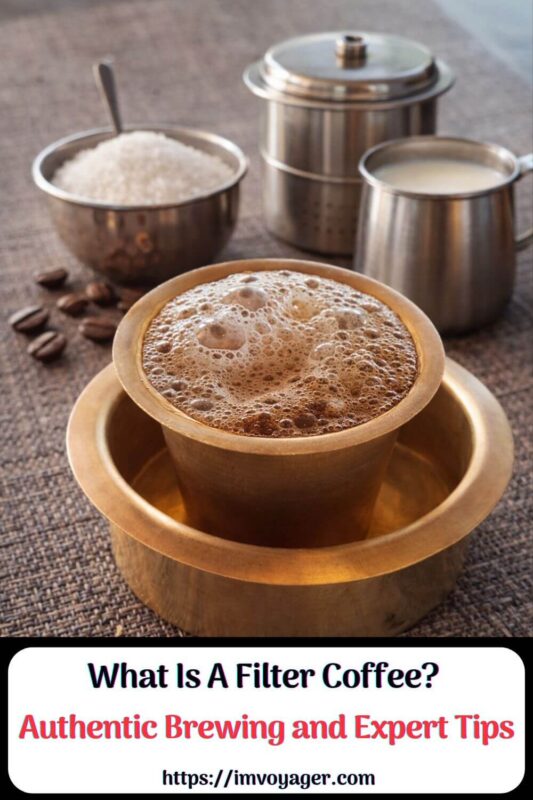
Here, the filter coffee is more than a beverage. It is hospitality, warmth, and tradition served in a steel tumbler and dabara.
History and Origin of Indian Filter Coffee
Origins of Coffee in India
Coffee came to India centuries ago and flourished in the southern hills. Over time, local communities refined brewing methods, giving rise to what we now call Indian filter coffee.
Evolution of South Indian Filter Coffee
South Indian filter coffee evolved as a slow-brew method that suited the climate and lifestyle. Chicory was added to enhance body and aroma. This tradition continues today, making what is a filter coffee inseparable from South Indian culture.
What Is Filter Coffee Beans
Many people ask, What is filter coffee beans? Filter coffee beans are usually Arabica, Robusta, or a blend of both. These filter coffee beans are roasted and ground specifically for decoction brewing.
Best Regions for Filter Coffee Beans in India
Karnataka, Kerala, and Tamil Nadu are famous for high-quality filter coffee beans. The soil, altitude, and climate play a key role in shaping the flavor profile.
Filter Coffee Grind: Why It Matters
Understanding Filter Coffee Grind
The filter coffee grind is slightly coarse, finer than French press but coarser than espresso. This grind allows water to extract flavors slowly.
Impact on Taste and Strength
An incorrect filter coffee grind can ruin the brew. Too fine leads to bitterness, while too coarse makes the decoction weak. When we understand what is a filter coffee, we also respect the grind.
The Physics of Filter Coffee Brewing
The physics of filter coffee revolves around gravity, temperature, and time. Hot water slowly passes through coffee grounds, extracting soluble compounds. This slow extraction is the reason filter coffee tastes rich yet smooth.
Why Slow Brewing Matters
The physics of filter coffee ensures balanced extraction. There is no pressure, unlike espresso. The gentle flow preserves aroma and natural oils, making the brew wholesome and flavorful.
What Is Filter Coffee Decoction
Understanding Filter Coffee Decoction
Filter coffee decoction is the concentrated liquid collected after brewing. It is the soul of the drink. Without a proper decoction, the coffee lacks character.
Role in South Indian Coffee
In South Indian filter coffee, the decoction is brewed once or twice daily and used fresh. A well-prepared filter coffee decoction defines the final taste.
How to Make Filter Coffee at Home | How to Use Filter Coffee Equipment
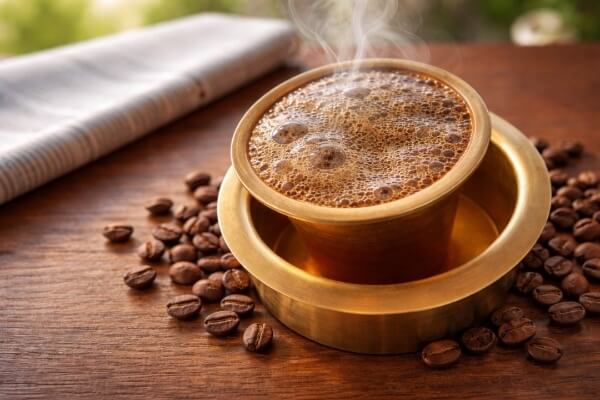
Many wonder how to use filter coffee equipment. A traditional metal filter has two chambers. Coffee powder goes on top, hot water is poured, and gravity does the rest.
Recipe for Filter Coffee | How to Make South Indian Filter Coffee at Home | Authentic Preparation Method
How to make South Indian filter coffee at home begins with choosing the right blend. Chicory mixed with coffee powder creates the signature taste. A simple recipe for filter coffee includes coffee powder, hot water, milk, and sweetener. Understanding how to make filter coffee ensures consistency and satisfaction. When we understand what is a filter coffee, the preparation becomes as important as the ingredients. This recipe for filter coffee follows the traditional method that brings out the rich aroma, balanced strength, and comforting taste that many of us associate with home.
Ingredients
- 2 tablespoons filter coffee powder
- 1 cup hot water (just below boiling)
- 1 cup full-fat milk
- Sugar or jaggery as required
Equipment
- Traditional metal coffee filter
- Saucepan for heating milk
- Tumbler and dabara or any serving cup
Step-by-Step Method: How to Make Filter Coffee
Preparing the Decoction
Place the filter coffee powder in the upper chamber of the metal filter. Gently level it without pressing too hard. Pour hot water evenly over the coffee powder until the chamber is full. Cover the lid and allow the water to percolate slowly. This slow dripping process forms the rich filter coffee decoction, which usually takes 10 to 15 minutes.
Heating the Milk
While the decoction is brewing, heat the milk in a saucepan. The milk should be hot but not boiled vigorously, as gentle heating preserves its natural sweetness.
Mixing the Coffee
Add 2 to 3 teaspoons of the prepared filter coffee decoction into a tumbler. Pour the hot milk over it and add sugar or jaggery according to taste.
Frothing the Coffee
To create the signature froth of South Indian filter coffee, pour the coffee back and forth between the tumbler and dabara from a height. This step also helps blend the flavors evenly.
Serving
Serve the coffee hot and fresh. Take a moment to inhale the aroma before sipping. Does the fragrance not instantly remind us why filter coffee feels so special?
Tips for the Perfect Cup
- Use fresh filter coffee powder for the best aroma and flavor.
- Do not rush the decoction process, as patience is key to extracting the true essence.
- Adjust the strength by varying the amount of decoction, not by adding more powder during brewing.
This traditional recipe for filter coffee captures the essence of the authentic South Indian method, reminding us that filter coffee is not just prepared, it is experienced.
Best Filter Coffee Powder: How to Choose
What Defines the Best Filter Coffee Powder
The best filter coffee powder is defined by a careful balance of roast level, grind consistency, and chicory ratio, all of which directly influence the final taste in the cup. A well-roasted coffee ensures that the natural flavors of the beans are fully developed without tasting burnt or overly acidic. The filter coffee grind should be neither too fine nor too coarse, as the right texture allows water to flow slowly and extract the coffee evenly during the brewing process.
Chicory plays an important role in traditional South Indian blends, as it adds body, depth, and a mild sweetness to the coffee. The proportion of chicory varies based on personal preference, but high-quality blends use it to complement, not dominate, the coffee. Freshness also matters, as freshly ground and properly stored filter coffee powder delivers a fuller aroma and a more satisfying taste. Choosing the best filter coffee powder enhances the overall experience, from the first aroma to the lingering aftertaste.
Tips for Choosing the Best Filter Coffee Powder
- Check the roast level: Medium to medium-dark roasts are ideal for filter coffee, as they provide richness without bitterness.
- Look for the right grind: Ensure the powder is specifically labeled for filter coffee use, as the correct grind is essential for proper decoction brewing.
- Understand the chicory ratio: Beginners may prefer a lower chicory content, while traditional South Indian coffee lovers often enjoy blends with 15 to 30 percent chicory.
- Choose fresh batches: Always check packaging dates and opt for freshly ground coffee to preserve aroma and flavor.
- Store it correctly: Use airtight containers and keep the powder away from moisture, heat, and direct sunlight.
- Trust regional blends: Coffee sourced and blended in South India often reflects authentic flavor profiles suited for traditional filter coffee preparation.
By following these tips, we can confidently select the best filter coffee powder that matches our taste preferences and brewing style, ensuring every cup feels rich, balanced, and comforting.
Storage and Freshness
Storing filter coffee powder in airtight containers preserves flavor. Freshness directly affects the quality of the brew.
How to Make Filter Coffee Without a Traditional Filter
Even without a metal filter, we can adapt methods. A drip filter or French press can help, but the taste differs slightly. Still, understanding how to make filter coffee ensures we enjoy the process.
Difference Between Instant Coffee and Filter Coffee
Filter Coffee vs Instant
The difference between instant coffee and filter coffee lies in processing. Instant coffee is pre-brewed and dehydrated, while filter coffee is freshly brewed.
Difference Between Normal Coffee and Filter Coffee
The difference between normal coffee and filter coffee goes beyond just the brewing method and extends into taste, texture, aroma, and the overall experience of drinking coffee. While the term normal coffee often refers to instant or quickly prepared coffee, filter coffee follows a slow and deliberate brewing process that allows flavors to develop fully.
One major difference between normal coffee and filter coffee lies in preparation time. Normal coffee is made almost instantly by mixing coffee granules with hot water, whereas filter coffee requires patience as hot water slowly passes through the coffee grounds to form a rich decoction. This slow extraction helps preserve the natural oils and aromatic compounds that give filter coffee its distinctive depth.
Another key difference between normal coffee and filter coffee is flavor complexity. Filter coffee offers layered notes ranging from mild sweetness to earthy richness, while normal coffee tends to have a flatter and more uniform taste due to heavy processing. Aroma is also more pronounced in filter coffee, as freshly brewed decoction releases natural fragrances that instant coffee often lacks.
There is also a noticeable difference between normal coffee and filter coffee in texture and body. Filter coffee, especially when prepared with milk, feels fuller and smoother in the mouth, whereas normal coffee is usually lighter and less satisfying. Additionally, filter coffee allows better control over strength, as we can adjust the amount of decoction without compromising flavor balance.
Finally, the emotional and cultural experience forms another difference between normal coffee and filter coffee. Filter coffee is often associated with tradition, mindful preparation, and shared moments, while normal coffee is chosen mainly for convenience. Together, these differences explain why filter coffee continues to be preferred by those who value both taste and experience.
Which Is Healthier Filter Coffee or Instant Coffee
Many ask, Which is healthier filter coffee or instant coffee? Filter coffee usually contains fewer additives and more natural compounds. Understanding the difference between instant coffee and filter coffee helps us make informed choices.
Difference Between Espresso and Filter Coffee
The difference between espresso and filter coffee is pressure. Espresso uses force, while filter coffee uses gravity. This results in different flavor intensity and texture.
The difference between espresso and filter coffee begins with the brewing technique, but it extends into taste, strength, texture, and even how the coffee is enjoyed. Espresso is brewed by forcing hot water through finely ground coffee under high pressure, while filter coffee relies on gravity, allowing hot water to slowly pass through the coffee grounds. This fundamental difference in extraction creates two very distinct coffee experiences.
Another important difference between espresso and filter coffee is grind size. Espresso requires a very fine grind to withstand pressure and extract quickly, whereas filter coffee uses a medium to coarse grind that supports slow, even extraction. Because of this, espresso brewing happens in seconds, while filter coffee brewing takes several minutes.
Flavor intensity is also a defining difference between espresso and filter coffee. Espresso is highly concentrated, delivering bold, intense flavors in small quantities. Filter coffee, on the other hand, offers a more balanced and nuanced flavor profile, allowing subtle notes and aromas to unfold gradually with each sip.
Texture and mouthfeel further highlight the difference between espresso and filter coffee. Espresso has a thick, creamy body with a layer of crema on top, while filter coffee is smoother, lighter, and more fluid in consistency. When milk is added, filter coffee blends seamlessly, especially in traditional South Indian preparations.
Serving style forms yet another difference between espresso and filter coffee. Espresso is typically consumed in small shots and often serves as the base for beverages like cappuccino and latte. Filter coffee is enjoyed in larger portions, encouraging slow sipping and conversation.
Together, these differences explain why espresso appeals to those seeking quick intensity, while filter coffee resonates with those who appreciate depth, aroma, and a relaxed coffee ritual.
Benefits of Drinking Filter Coffee
The benefits of drinking filtered coffee go beyond taste and tradition. When consumed in moderation, filter coffee supports both physical and mental well-being.
- Rich in antioxidants that help fight free radicals and support overall health
- Naturally filtered brewing helps retain beneficial compounds while reducing harsh elements
- Enhances alertness and concentration by stimulating the nervous system gently
- Provides a smoother caffeine release compared to instant coffee
- Supports metabolism and may aid in maintaining energy levels
- Offers a comforting sensory experience through aroma and warmth
Benefits of Drinking Filter Coffee Daily
The Benefits of drinking filter coffee become more noticeable when it is part of a balanced daily routine.
- Promotes better digestion, especially when prepared traditionally with milk
- Delivers sustained energy without sudden caffeine crashes
- Helps improve mood and mental clarity during the day
- Encourages mindful consumption through slow brewing and sipping
- Supports routine and consistency, which can positively affect mental wellness
- May help reduce feelings of fatigue when consumed in moderation
What Is Filter Coffee Good For
So, What is filter coffee good for in everyday life? Its impact goes beyond physical benefits and extends into lifestyle and emotional well-being.
- Supports mental focus and productivity during work or study hours
- Encourages social bonding through shared coffee moments with family and friends
- Promotes mindfulness by slowing down the coffee-making process
- Helps create a comforting daily ritual that reduces stress
- Offers a sense of tradition and cultural connection
- Enhances overall well-being by blending taste, aroma, and experience
Together, these benefits explain why filter coffee continues to be cherished not just as a beverage, but as a meaningful part of daily life.
Common Mistakes While Making Filter Coffee
Using boiling water, wrong filter coffee grind, or poor-quality powder can affect taste. Avoiding these errors improves results.
Best Places to Enjoy Authentic Traditional South Indian Filter Coffee in South India
Here are some great places across South India where you can enjoy authentic traditional South Indian filter coffee — from iconic local cafés to classic tiffin spots beloved by residents and travelers alike:
Karnataka
- MTR (Mavalli Tiffin Rooms) — Bengaluru
- CTR (Shri Sagar) — Malleshwaram, Bengaluru
- Vidyarthi Bhavan — Bengaluru
- Hotel Janatha — Basavanagudi, Bengaluru
- Sri Krishna Coffee Bar — Mysuru
Tamil Nadu
- Saravana Bhavan — Chennai & Madurai (multiple outlets)
- Murugan Idli Shop — Chennai & Coimbatore
- Sangeetha Veg Restaurant — Chennai
- Ratna Cafe — Chennai
- Amirthaa Bhavan — Chennai
Kerala
- Indian Coffee House — Kochi & Thiruvananthapuram
- Kumarakom Coffee House — Kumarakom
- Kailash Coffee House — Kochi
- Café Papaya — Kochi
Andhra Pradesh & Telangana
- Ram Ki Bandi (Filter Coffee Stall) — Hyderabad
- Cafe Bahar (Filter Coffee) — Hyderabad
- Chutneys — Hyderabad
- Sri Sairam Tea Stall — Vijayawada
Tips To Find The BEST Filter Coffee Locally
Finding the best filter coffee locally can be a delightful exploration when we know what to look for. These tips help us discover authentic flavors and memorable coffee experiences.
- Look for places that roast their own beans or use freshly ground mixes, as freshness directly enhances aroma and taste.
- Small local filter coffee joints often serve the best coffee, especially traditional stalls and modest eateries. Asking locals for “tapri filter coffee” can lead to hidden gems.
- Observe how the coffee is brewed. Places that use traditional metal filters and prepare fresh filter coffee decoction usually deliver better flavor.
- Notice the milk quality. Authentic filter coffee is often made with fresh, full-fat milk that adds richness and balance.
- Check the chicory balance. Good local coffee maintains harmony between coffee strength and chicory depth without overpowering bitterness.
- Pair the coffee with classic South Indian dishes like idli, dosa, vada, pongal, or a traditional filter kaapi set menu to enjoy the complete experience.
- Visit during peak hours, such as early mornings or late afternoons, when the decoction is freshly prepared and most aromatic.
- Trust your senses. The aroma, froth, and warmth often reveal whether the coffee is truly worth savoring.
With these tips, discovering great filter coffee locally becomes a rewarding journey that connects taste, tradition, and community.
How to Improve the Taste of Your Filter Coffee
Choosing the best filter coffee powder, adjusting decoction strength, and using fresh milk can elevate flavor.
Filter Coffee in Modern Times
While cafes innovate, traditional Indian filter coffee remains timeless. The charm of the filter coffee continues to thrive.
Frequently Asked Questions About Filter Coffee
Understanding what is a filter coffee often leads to many practical and curious questions. Below are some of the most frequently asked questions and detailed answers that help deepen our understanding of filter coffee, its preparation, taste, and benefits. These frequently asked questions help us better understand what is a filter coffee, why it is cherished, and how we can enjoy it in the most authentic and satisfying way.
1. Is filter coffee stronger than instant coffee?
Filter coffee often feels stronger in aroma and flavor than instant coffee. While the caffeine content can vary, the slow brewing process creates a richer taste, which makes filter coffee seem stronger than instant coffee.
2. How long does filter coffee decoction last?
Fresh filter coffee decoction is best used within 12 hours when stored in a clean, covered container at room temperature. For the best aroma and taste, using it within 6 to 8 hours is recommended.
3. What is a filter coffee in India?
What is a filter coffee in India refers to a traditional beverage made using a metal filter, coffee powder, and hot water. It is most commonly associated with South Indian households and is typically served with hot milk.
4. What is the ideal filter coffee grind?
The ideal filter coffee grind is medium to coarse. This grind allows water to pass slowly through the coffee, ensuring proper extraction without bitterness.
5. Which is healthier, filter coffee or instant coffee?
Many people ask, Which is healthier filter coffee or instant coffee. Filter coffee is generally considered healthier because it is less processed and does not contain additives or preservatives often found in instant coffee.
6. What is filter coffee good for?
What is filter coffee good for includes improving alertness, enhancing focus, and providing antioxidants. When consumed in moderation, it can be part of a balanced daily routine.
7. What are the benefits of drinking filter coffee daily?
The Benefits of drinking filter coffee include sustained energy release, better digestion due to its natural oils, and improved mood from its comforting ritual.
8. What is the difference between instant coffee and filter coffee?
The difference between instant coffee and filter coffee lies in preparation and processing. Instant coffee is pre-brewed and dehydrated, while filter coffee is freshly brewed using ground coffee and water.
9. Can filter coffee be made without a traditional metal filter?
Yes, filter coffee can be prepared using alternatives like drip filters or a French press. However, the taste may differ slightly from traditional South Indian filter coffee.
10. What is the best filter coffee powder to use?
The best filter coffee powder depends on personal preference, but blends with the right roast and a small percentage of chicory are commonly preferred for authentic flavor.
11. What is the difference between espresso and filter coffee?
The difference between espresso and filter coffee is the brewing method. Espresso uses pressure, while filter coffee relies on gravity, resulting in different textures and flavor profiles.
12. How much filter coffee decoction should be used per cup?
Typically, 2 to 3 teaspoons of filter coffee decoction are used per cup, depending on how strong we prefer the coffee.
13. Can filter coffee be consumed without milk?
Yes, filter coffee can be enjoyed black by mixing the decoction with hot water instead of milk. This highlights the natural flavors of the coffee beans.
14. Why does filter coffee taste smoother than instant coffee?
Filter coffee tastes smoother because of slow extraction and minimal processing. This gentle brewing method preserves natural oils and aromas.
15. How many times a day can we drink filter coffee?
Most people safely enjoy 1 to 3 cups a day. Moderation ensures we experience the benefits without discomfort.
Final Thoughts: Why Filter Coffee Remains Timeless
As we reflect on what is a filter coffee, we realize it is not just about caffeine. It is about tradition, science, and connection. From understanding filter coffee meaning to appreciating the physics of filter coffee, from choosing the best filter coffee powder to knowing the difference between instant coffee and filter coffee, we see why this brew remains unmatched.
We hope this detailed and thoughtfully explored post on what is a filter coffee has helped us understand its deeper essence. In our discussion above, we have covered filter coffee meaning, explored the physics of filter coffee, shared how choosing the best filter coffee powder enhances flavor, and clearly explained the difference between instant coffee and filter coffee. Our intention has been to make this guide both insightful and helpful for anyone curious about this timeless brew and its rich traditions.
Do you love filter coffee? Have you tasted authentic South Indian filter coffee, or is it something you are eager to try? What memories, aromas, or experiences does filter coffee bring to your mind? We would love to hear your thoughts, stories, and preferences. Do share your filter coffee experiences in the comments section and let us continue this warm conversation over a cup of coffee.
Filter coffee invites us to slow down, ask questions, and savor every sip. And as we continue this ritual, we keep a timeless tradition alive, one cup at a time. ☕
Where Every Journey Is Born — And Every Soul Awakens
Pause for a moment. Breathe in the idea of coastlines glowing like scattered stardust, mountains wrapped in mist and memory, and age-old cities that seem to whisper verses with every step. This is not merely travel. This is a quiet transformation. A story that unfolds gently as you move through it. We do not just plan trips; we shape experiences that feel deeply personal, like a note written softly to your spirit. From tranquil retreats to lesser-known marvels, each journey flows in harmony with who you are.
When you feel that inner nudge to explore, write to us at imvoyager18@gmail.com
, and together we will design a journey that stays with you long after it ends.
Distances Blur — Memories Endure
Every journey begins long before departure day. It starts as a subtle pull, an unspoken longing. Step into a space where travel inspiration is thoughtfully curated, where hidden corners, meaningful encounters, and soulful stories spark your imagination. Walk alongside fellow seekers who rise with golden sunrays, find stillness in sacred spaces, and collect joy from unexpected turns. Let these stories guide you toward experiences that feel alive, intimate, and unforgettable.
Travel With Us: Beyond Places, Into Presence
Welcome to Travel With Sandy & Vyjay, where each story opens a doorway and every image carries the warmth of a first sunrise. Wander through colorful markets, feel the serenity of temple dawns, and absorb moments that words struggle to hold. There are no tickets to book here, no clocks to chase. Only curiosity, connection, and the gentle magic of discovery.
Voyager — A Circle of Curious Souls
Voyager is more than a travel platform. It is a shared space for explorers, dreamers, and storytellers. Join us on Instagram, Facebook, X (Twitter), LinkedIn, and YouTube. For regular sparks of inspiration, subscribe to Voyager Travel Bytes on WhatsApp or receive reflections straight to your inbox. Follow our journeys on Instagram as they unfold in real time, honest and unfiltered, just as travel is meant to be.
Journeys That Reflect You
Whether you wander quietly, chase distant horizons, or listen closely to the heartbeat of cities, every journey we craft is shaped around your essence. Each path is chosen with care, each detail designed to invite discovery. Because the journeys that matter most do not simply take us somewhere new; they gently change how we see ourselves.
The World Is Whispering — Are You Listening
Beyond the familiar lies a world filled with beauty, meaning, and moments yet to be lived. When your heart signals it is time, reach out to imvoyager18@gmail.com, and we will thoughtfully create a travel story that lingers long after the journey ends.
Because travel is never only about the destinations we reach.
It is about who we become along the way.
And when you feel ready, just whisper, “Begin.”
We are a reader-supported site. This means, at no additional cost to you, we may earn a small commission if you book a flight or hotel, or make a purchase through one of our affiliate links. Thank you for your support!
Flights – Air India (Domestic) or Air India (International), or Priceline
Tours – Click to book top tours around the world. Book tours and activities here.
Experiences – Book your next unforgettable experience here, with flexible bookings and free cancellations. Reserve tours and activities now and pay later.
Hotels – Click to book the best hotels/resorts. Choose the best stay options with TripAdvisor or Hotels.com, or HotelsCombined
Travel Insurance – Click to book Travel Insurance that covers a range of travel insurance and safety services including medical emergencies, lost luggage, trip cancellation and more
Visas and Travel Documents Application – Click here for Online Travel Visa Check
Online Passport Photo – Get Your Passport Photo Online here


Do You Love Traveling?
Do you want to know how to travel the world? We have put together a very useful travel resources page with the best travel tips. Go check it out now. Thanks for visiting our site Voyager - imvoyager.com and taking the time to read this post! If you wish to collaborate/work with us then reach us at imvoyager18@gmail.com We’d love it if you’d comment by sharing your thoughts on this post and share this post on social media and with your friends. Follow our journey on our social media channels: Facebook X Instagram Pinterest YouTube
Start dreaming about your next adventure with Tripadvisor. Book your next unforgettable experience here with flexible bookings and free cancellations.

Flight booking online at the best fare

60+ Million Users Trust TripAdvisor With Their Travel Plans. Shouldn't You?

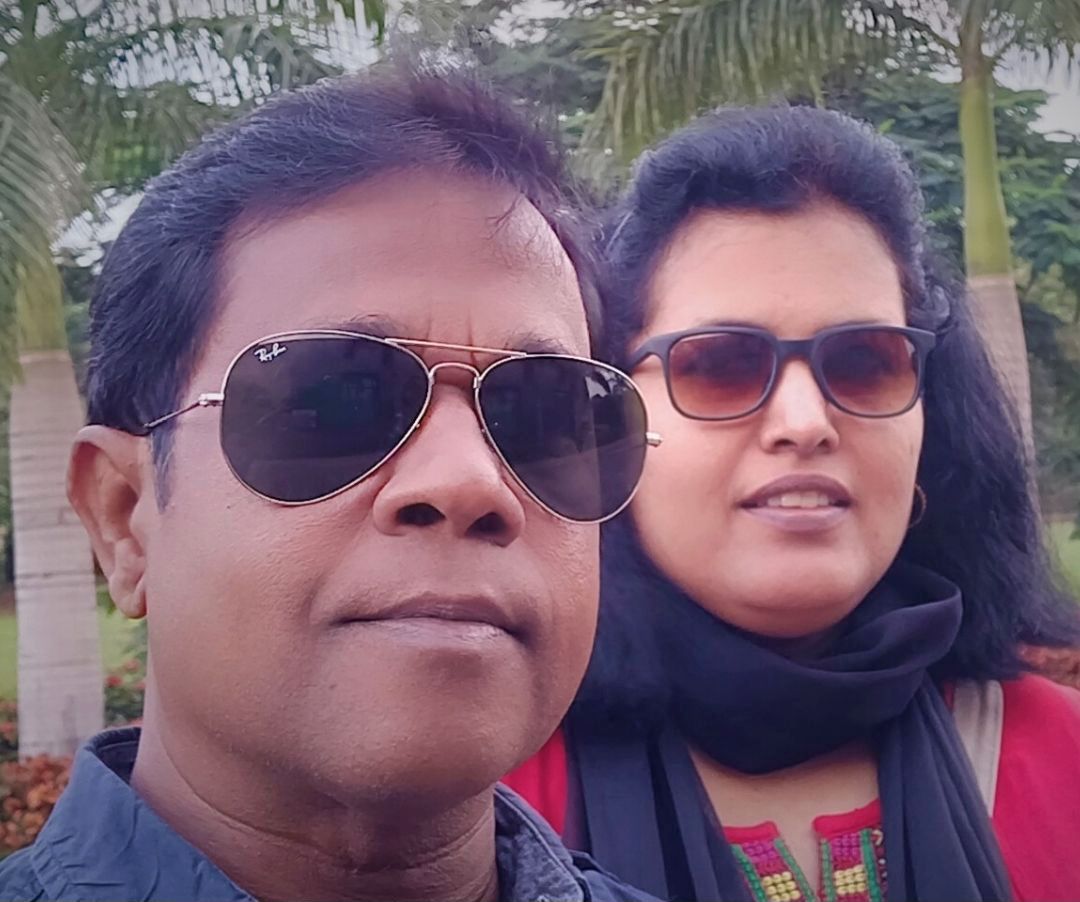
Sandy & Vyjay are a husband and wife duo who are travel content creators. They are co-founders of this travel website and are one of the leading travel content creators in India.
Sandy & Vyjay quit their successful corporate careers to pursue their passion for travel and writing full-time. Their dedication has earned them the “Best Travel Writer” award and numerous accolades on both national and international stages. Focusing on India’s destinations, heritage, and culture, they are passionate advocates for nature and the environment. Through their content, they promote ecotourism and sustainable travel, inspiring others to explore and preserve the beauty of India.