Travel gives us something that ordinary days often cannot: a chance to step away from routines, discover new places, spend meaningful time with family and friends, and simply breathe a little easier. A holiday can become a welcome detox from deadlines, traffic, screens, meetings, and everyday responsibilities. Whether you are planning a peaceful beach vacation, an adventurous international getaway, or a cultural escape, travel can refresh the mind and create memories that stay with you for years.
Of course, nobody wants an upset stomach, fever, dehydration, or exhaustion to become the most memorable part of a vacation. Knowing how to avoid getting sick while traveling can help you enjoy your destination with greater confidence. From choosing food carefully to drinking safe water and carrying the right medicines, a little preparation can make a significant difference. In this post, we explore practical ways to protect your health without allowing health concerns to take over your holiday.
Table of Contents
Travel
Travel is one of the most enjoyable ways to reconnect with ourselves, our families, and our friends. A holiday gives us the freedom to wake up somewhere different, explore unfamiliar streets, taste new cuisines, admire beautiful landscapes, and experience cultures beyond our everyday surroundings. Sometimes a short vacation is all we need to unwind after months of work and responsibilities. Other times, a longer getaway becomes an opportunity to explore slowly and make memories that we will talk about for years.
From watching a sunset with family to laughing with friends over an unexpected travel moment, these experiences become part of our personal stories. We often capture those moments through photographs and videos and share them on Instagram, Facebook, and other social media platforms. Yet the best travel memories are created when we feel comfortable, energetic, hydrated, and well enough to enjoy every moment.
So, what does it really take to stay healthy while exploring another country? The answer is not about avoiding every unfamiliar experience or carrying an entire pharmacy in your suitcase. It is about understanding your destination, making sensible choices, and preparing for common travel-related problems before they happen. Learning how to stay healthy while traveling means paying attention to food, water, hygiene, sleep, hydration, insects, weather, and your own limits.
Good preparation can be especially valuable when you are traveling with children, older family members, or people who take regular medication. The goal is simple: protect your health while leaving plenty of room for spontaneity, enjoyment, discovery, and relaxation.
How To Avoid Getting Sick While Traveling | Travel Health Tips For International Travel
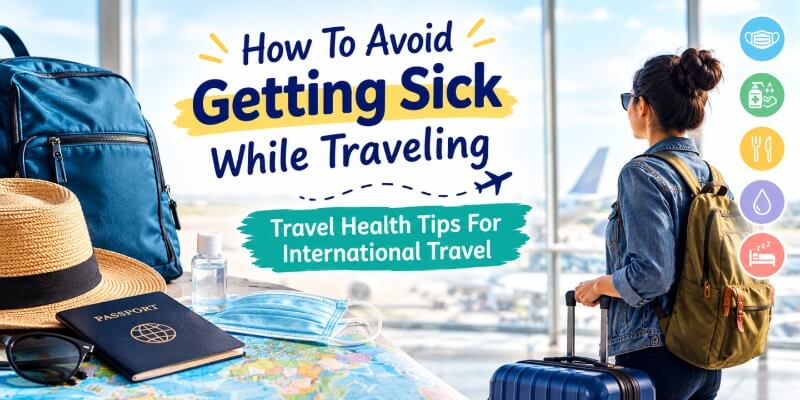
Travel is meant to bring excitement, discovery, relaxation, and unforgettable memories, whether you are heading away for a family holiday, a getaway with friends, or an adventure in a new country. Yet an unexpected stomach problem, dehydration, infection, or exhaustion can quickly take away from the joy of exploring a new destination. A little preparation and awareness can go a long way towards helping you enjoy your vacation comfortably and confidently. From being careful about what you eat and drink to maintaining good hygiene and carrying essential medicines, sensible travel health practices can make a real difference.
Are you wondering how to avoid getting sick while traveling while planning your upcoming trip, or looking for practical ways to understand how to stay healthy while traveling without letting health concerns affect your holiday? Are you searching for travel health tips for international travel, wondering how to avoid getting sick abroad, or looking for simple advice on how to prevent illness while traveling? Then you are in the right place.
This post explores how to avoid getting sick while traveling through practical food safety, drinking water precautions, personal hygiene, hydration, rest, and useful travel first-aid preparation. Read on to discover simple and sensible tips that can help you protect your health, reduce common travel-related health risks, and make your upcoming journey safer, healthier, more comfortable, and far more enjoyable.
How to Avoid Getting Sick Abroad: Start Before You Leave
One of the most effective ways to understand how to avoid getting sick abroad is to begin preparing before your suitcase is packed. Your destination can determine which precautions make sense because health risks differ between countries, regions, climates, seasons, and types of travel.
The CDC recommends checking destination-specific health information and consulting a healthcare professional or travel health specialist, ideally four to six weeks before departure, particularly when vaccinations or destination-specific medicines may be required.
Research Your Destination
Do you know what health risks are common where you are going?
Research the local climate, food and water conditions, mosquito-borne diseases, recommended vaccinations, altitude, extreme temperatures, and availability of healthcare. These details can influence what you pack and how you plan your activities.
A destination with very hot weather may require extra attention to hydration and sun protection. A region where mosquito-borne illnesses are common may require insect repellent and advice from a healthcare professional. A remote trekking destination may require a more comprehensive travel health checklist than a short city break.
This is where practical travel health tips for international travel become valuable. Preparation should match the trip rather than follow a generic checklist.
Review Your Vaccinations
Vaccination requirements and recommendations depend on the destination and your personal circumstances. Make sure routine vaccinations are current and ask a qualified healthcare professional whether additional travel vaccinations are recommended.
Do not wait until the day before departure. Some vaccines need time to provide protection, while certain travel-related medications may need to be started before arrival.
Carry Important Medical Information
Keep a record of important medical information, allergies, prescriptions, and emergency contacts. If you take regular medication, carry sufficient supplies for the entire journey and consider bringing extra in case of delays.
The CDC also advises travelers to keep medicines in their carry-on luggage rather than checked baggage, particularly when those medicines are essential.
How to Avoid Getting Sick While Traveling Through Food Safety | How To Stay Healthy While Traveling
Food is one of the great pleasures of international travel. Local dishes can introduce you to the history and personality of a destination, but unfamiliar food-handling practices can sometimes lead to illness.
Understanding food safety while traveling does not mean avoiding local cuisine. It means being selective about where, how, and what you eat.
Choose Food That Is Freshly Cooked
Hot, thoroughly cooked food is generally a safer choice than food that has been sitting at room temperature for extended periods. Eat meals that are served hot and appear freshly prepared.
Be cautious with foods that look as though they have been exposed for a long time, especially at buffets or outdoor stalls where temperature control may be uncertain.
Freshly cooked meals from busy establishments can often be a sensible option because high customer turnover may mean food is being prepared regularly.
Be Careful With Raw Food
Raw vegetables, salads, unpeeled fruit, raw seafood, and uncooked garnishes can sometimes carry contamination if they have been washed with unsafe water or handled improperly.
You do not necessarily need to eliminate every fresh food from your vacation. Instead, consider how the food has been washed, prepared, stored, and served.
For safe food and drinks while traveling, the basic principle is simple: choose foods that are thoroughly cooked and served hot, and be cautious when the cleanliness or preparation process is uncertain. CDC guidance similarly recommends attention to food and drink choices because contaminated food and beverages can cause travelers’ diarrhea and other illnesses.
Street Food: Enjoy It Wisely
Street food can be one of the most exciting parts of a trip. Instead of automatically avoiding it, observe the stall first.
Is the food cooked in front of you? Is the cooking surface clean? Are raw and cooked foods kept separately? Is there a steady flow of customers?
These observations can help you make a more informed decision.
Safe Drinking Water Abroad Matters | Travel Health Tips For International Travel
If you are wondering how to avoid getting sick abroad, do not overlook the water you drink.
Water quality can vary significantly between destinations, and even water that appears clear may contain microorganisms that your body is not accustomed to.
Drink From Reliable Sources
When local tap water is not considered safe for visitors, use commercially sealed bottled water or another reliable treated-water source.
Check that bottles are properly sealed before opening them. Be cautious with ice when you are uncertain about the water used to make it.
Safe drinking water abroad can also matter when brushing your teeth, taking medication, or preparing drinks.
If bottled water is unavailable, destination-specific guidance may recommend appropriate treatment methods such as boiling or water-disinfection products. The CDC includes water-disinfection tablets among items that may be useful in certain destinations.
Do Not Forget Ice and Drinks
A cold drink can be extremely tempting after a long day of sightseeing, particularly in a hot destination. However, if you are uncertain about the water supply, ask whether ice has been made from treated water.
Hot beverages that are served properly hot are generally considered a safer choice in many settings.
Think beyond plain water too. Smoothies, fresh juices, fountain drinks, and cocktails can involve water or ice that you cannot easily verify.
Build Healthy Travel Habits | How To Stay Healthy While Traveling
One of the simplest answers to how to prevent illness while traveling is to maintain the basic habits that protect your health at home.
Wash Your Hands Frequently
Handwashing remains one of the most practical travel hygiene tips.
Wash your hands before eating, after using the bathroom, after touching potentially contaminated surfaces, and whenever they are visibly dirty. When soap and water are unavailable, an alcohol-based hand sanitizer containing at least 60 percent alcohol can be useful.
Try not to touch your eyes, nose, or mouth with unclean hands.
This sounds simple, but airports, public transport, hotel elevators, tourist attractions, restaurants, and crowded events can involve frequent contact with shared surfaces.
Protect Yourself From Respiratory Infections
Travel often means spending time around large numbers of people. Airports, airplanes, trains, buses, cruises, and attractions can bring travelers from many locations into close proximity.
Avoid close contact with people who are visibly unwell when possible, wash your hands regularly, and consider appropriate precautions based on your destination and current health guidance.
If you become sick during your trip, give yourself time to rest rather than pushing through every planned activity.
Hydration, Sleep, and Rest Are Part of Travel Health
Sometimes illness during a vacation is not caused by contaminated food or germs. Exhaustion, dehydration, excessive alcohol, poor sleep, heat, and nonstop sightseeing can leave you feeling miserable.
Good healthy travel habits include drinking enough fluids, eating regular meals, getting adequate sleep, and allowing time for rest.
Have you ever planned such a packed itinerary that you needed another vacation after returning home?
Give yourself breathing room. A slower afternoon at the hotel may be more valuable than squeezing another attraction into the schedule.
Long flights and jet lag can also disturb sleep. A recent travel-health review from the University of Rochester highlights hydration, adequate sleep, hand hygiene, and limiting exposure to germs as important foundations of staying well during travel.
Pack a Practical Travel First-Aid Kit
A well-prepared travel first aid kit does not need to be enormous. It should contain sensible supplies for the type of trip you are taking.
Think about what you might reasonably need for minor problems rather than trying to prepare for every possible medical emergency.
What to Pack
Your travel first aid kit may include adhesive bandages, antiseptic supplies, basic pain or fever medicine that you normally use, oral rehydration supplies, blister protection, a thermometer, hand sanitizer, and any personal medicines you require.
Depending on your destination and activities, you may also consider sunscreen, insect repellent, appropriate wound-care supplies, and water-disinfection products.
The CDC recommends tailoring a travel health kit to your destination and activities and carrying sufficient medicines for the trip, plus extra for possible delays.
Pack Prescription Medicines Carefully
Never assume that a particular prescription or over-the-counter medicine will be easily available abroad.
Medicines can have different names, formulations, availability, or legal restrictions in different countries. Carry your medicines in their original packaging and check destination rules when necessary.
If you regularly take prescription medication, ask your healthcare professional about your travel plans before leaving.
These travel medicine tips can prevent an avoidable situation where you are searching unfamiliar pharmacies while feeling unwell.
Prevent Traveler’s Diarrhea Before It Starts
Few travel problems can disrupt a holiday as quickly as stomach illness.
Traveler’s diarrhea prevention begins with careful food and water choices, regular handwashing, and sensible hygiene.
Be especially cautious with foods that are raw, undercooked, unrefrigerated, or handled in questionable conditions. Drink water from reliable sources and wash your hands before meals.
If diarrhea or vomiting develops, hydration becomes particularly important because fluid loss can become significant.
Oral rehydration solutions can be useful in managing dehydration, while severe symptoms may require professional medical attention.
Do not automatically assume every stomach problem is simply a minor food issue. Persistent diarrhea, blood in stool, high fever, severe abdominal pain, significant dehydration, or worsening symptoms should be assessed by a healthcare professional.
Protect Yourself From Mosquitoes and Other Insects
Some international destinations have mosquito-borne diseases, making insect protection an important part of international travel health.
Use an appropriate insect repellent, wear suitable clothing, and consider accommodation with screens or air conditioning where appropriate.
Your destination-specific health research should determine whether additional precautions or preventive medication are recommended.
The right approach depends on the location, season, activities, and local disease patterns, so do not rely solely on general travel advice.
Be Smart About Sun, Heat, and Climate
A change in climate can be surprisingly demanding.
If you are traveling from a cooler environment to a hot or humid destination, give your body time to adjust. Drink regularly, wear lightweight clothing, seek shade during intense heat, and avoid pushing yourself during the hottest part of the day.
Heat-related illness can become serious. CDC destination guidance recommends regular food and fluid intake, suitable clothing, and reduced physical activity during extreme heat.
Likewise, cold destinations require proper layers and protection for exposed skin.
Good travel health tips for international travel should always account for the environment rather than focusing only on infections.
Be Careful With Recreational Water
Swimming pools and properly maintained beaches can be enjoyable, but untreated freshwater may carry infection risks in some destinations.
Avoid swimming in freshwater bodies where local health authorities advise against it, particularly where sanitation is poor.
Do not swallow recreational water, and follow local warnings and lifeguard instructions.
The CDC specifically advises travelers to avoid swimming in freshwater in areas where sanitation is poor and to avoid swallowing untreated water.
Know When You Need Medical Help | How To Avoid Getting Sick Abroad
Knowing how to stay healthy while traveling also means recognizing when self-care is no longer enough.
Seek medical attention for serious or worsening symptoms, difficulty breathing, severe dehydration, persistent vomiting, severe abdominal pain, confusion, serious injury, or other symptoms that concern you.
Fever after returning from a region where malaria or another serious infection occurs deserves particular attention. Tell your healthcare professional where you traveled and what activities or exposures occurred.
The CDC advises travelers who become ill after returning home to tell their healthcare provider about their travel history.
Create Your Personal Travel Health Checklist | Tips On How To Avoid Getting Sick While Traveling
Before leaving home, pause for a few minutes and ask yourself:
- Have I checked destination-specific health advice?
- Are my routine vaccinations up to date?
- Do I need any recommended travel vaccinations?
- Do I have enough prescription medicines for the entire trip plus extra for delays?
- Have I prepared a travel first aid kit?
- Do I know where I can obtain medical care at my destination?
- Do I have suitable safe drinking water abroad options?
- Do I know which foods may require extra caution?
- Have I packed sunscreen and insect repellent where appropriate?
- Do I have travel insurance or appropriate medical coverage?
This simple preparation can make how to prevent illness while traveling much easier to manage.
What to Do If You Feel Sick During a Trip
Even with excellent preparation, nobody can guarantee a completely illness-free journey.
- If you start feeling unwell, listen to your body. Slow down, hydrate, rest, and avoid strenuous sightseeing until you understand what is happening.
- If symptoms are mild, basic supportive care may be enough. If symptoms become severe or unusual, seek medical help rather than waiting for the problem to disappear.
- If you have travel insurance, check how to contact the assistance service. Knowing this before an emergency occurs is much easier than searching for information while sick.
- Keeping a list of nearby clinics, hospitals, pharmacies, and emergency numbers can also be helpful.
Travel Should Feel Enjoyable, Not Fearful
The purpose of how to avoid getting sick while traveling is not to make you anxious about every meal, bottle of water, or handshake.
Travel is about curiosity, connection, discovery, and enjoyment.
You should be able to try local dishes, explore markets, visit historic sites, swim, hike, relax, and enjoy time with the people who matter to you.
The key is sensible awareness.
When you combine food safety while traveling, reliable safe drinking water abroad, good hygiene, adequate sleep, hydration, destination-specific preparation, and a practical travel first aid kit, you create a stronger foundation for a healthy holiday.
The best travel health tips for international travel are often surprisingly simple: prepare before departure, make thoughtful choices during the journey, and pay attention to what your body is telling you.
That is the real secret behind how to avoid getting sick abroad without allowing health concerns to overshadow the joy of travel.
Frequently Asked Questions About How to Avoid Getting Sick Abroad | How To Avoid Getting Sick While Traveling
Knowing how to avoid getting sick abroad becomes much easier when you understand the everyday precautions that matter most. These frequently asked questions cover food, water, hygiene, medicines, vaccinations, and practical preparation so you can travel with greater confidence.
What is the best way to understand how to avoid getting sick while traveling?
The best approach is to research your destination, practice good hygiene, choose food and water carefully, stay hydrated, rest properly, and prepare appropriate medicines and supplies.
How can I learn how to stay healthy while traveling internationally?
You can learn how to stay healthy while traveling by checking destination-specific health advice, reviewing vaccinations, planning your medicines, choosing safe food and water, and maintaining healthy daily habits.
What are the most important travel health tips for international travel?
The most important travel health tips for international travel include frequent handwashing, safe food and water choices, adequate hydration, sufficient sleep, insect protection, and destination-specific medical preparation.
How can I understand how to avoid getting sick abroad from food?
Learning how to avoid getting sick abroad from food involves choosing thoroughly cooked meals, avoiding questionable raw foods, checking food-handling conditions, and practicing careful hand hygiene.
What should I know about safe drinking water abroad?
Safe drinking water abroad generally means choosing reliable treated water or properly sealed bottled water when local tap water is not considered safe.
What should I put in a travel first aid kit?
A travel first aid kit can include bandages, antiseptic supplies, commonly used medicines, oral rehydration supplies, blister protection, a thermometer, and personal prescription medicines.
Can healthy travel habits really help prevent illness?
Yes, healthy travel habits such as handwashing, adequate sleep, hydration, sensible food choices, and avoiding unnecessary exposure to illness can reduce several common travel health risks.
How does food safety while traveling help prevent stomach problems?
Food safety while traveling reduces exposure to contaminated food by encouraging travelers to choose freshly cooked, properly handled, and appropriately stored meals.
What are useful travel medicine tips before an international trip?
Useful travel medicine tips include reviewing prescriptions with a healthcare professional, checking destination-specific medication requirements, carrying enough medicine, and keeping essential medicines in your carry-on luggage.
Do I need travel vaccinations before going abroad?
Travel vaccinations depend on your destination, itinerary, existing vaccination history, and individual health circumstances, so you should seek destination-specific advice from a qualified healthcare professional.
How can I practice traveler’s diarrhea prevention?
Traveler’s diarrhea prevention includes careful food and water choices, frequent handwashing, avoiding questionable raw foods, and staying alert to local sanitation conditions.
How can I make how to prevent illness while traveling part of my routine?
You can make how to prevent illness while traveling part of your routine by washing your hands, staying hydrated, eating carefully, getting enough rest, using insect protection where needed, and responding promptly to symptoms.
Is a travel health checklist useful for every vacation?
A travel health checklist can be useful for almost any trip because it reminds you to consider medicines, vaccinations, food and water safety, insurance, emergency contacts, and destination-specific health precautions.
How can international travel health preparation reduce stress?
Good international travel health preparation can reduce stress by helping you anticipate common problems and ensuring that essential medicines, information, and emergency plans are available when you need them.
What should I do if I become sick after returning from abroad?
If you become sick after returning from abroad, seek medical advice when appropriate and tell the healthcare professional where you traveled, when you returned, and what illnesses or exposures you may have encountered.
We hope you liked this post about how to avoid getting sick while traveling and found it useful for planning your next holiday or international getaway. Understanding how to stay healthy while traveling can help you enjoy family vacations, adventures with friends, peaceful retreats, and exciting cultural experiences with greater confidence. We also hope these travel health tips for international travel help you prepare more thoughtfully before leaving home.
From choosing food carefully to carrying a practical travel first aid kit, small decisions can make your journey much more comfortable. Knowing how to avoid getting sick abroad does not mean being afraid of unfamiliar places; it means being prepared enough to enjoy them. Remember that how to prevent illness while traveling often comes down to simple habits such as handwashing, hydration, rest, safe food choices, and reliable drinking water. We encourage you to save this guide as part of your personal travel health checklist before your next trip.
Do share this post about how to avoid getting sick while traveling with your family and friends so they can also benefit from these practical travel tips. You can also share it on Instagram, Facebook, and other social media platforms with fellow travelers who are planning their next vacation. Most importantly, travel with curiosity, preparation, common sense, and a positive spirit, because staying well gives you more opportunities to enjoy the places, people, food, and unforgettable experiences that make every journey worthwhile.
Where Journeys Begin — And Awareness Deepens
Take a quiet breath and allow the imagination to wander. Picture shorelines glowing like distant constellations beneath an open sky, mountains wrapped in layers of mist and memory, and ancient streets whispering stories beneath every passing footstep. Travel is more than tracing lines across a map or moving from one destination to another. It is a quiet unfolding, a gradual transformation that often begins before we even realise it is happening.
We do not simply create itineraries; we shape experiences that feel deeply personal and authentic, almost like a heartfelt message written directly to the soul. From tranquil sanctuaries and soulful retreats to lesser-known wonders waiting beyond the usual paths, every journey becomes a reflection of who we are and who we are quietly becoming.
When that unmistakable inner desire to explore begins to stir, write to us at imvoyager18@gmail.com. Together, we can shape a journey with meaning, emotion, and character, creating a travel experience that remains with us long after the footsteps fade and the road finally grows quiet.
When Miles Fade — And Meaning Remains
Every meaningful journey begins long before the suitcase is opened and the bags are packed. It begins with a quiet feeling, an inner pull that tells us there is something beyond the familiar waiting to be discovered. Step into a world where travel inspiration is thoughtfully curated, where hidden destinations, soulful encounters, and stories drawn from real experiences awaken the desire to explore. Walk alongside fellow seekers who welcome mornings bathed in golden light, discover stillness within sacred spaces, and find unexpected happiness in roads that were never part of the original plan. Let these shared moments, encounters, and experiences become gentle guides, leading us towards journeys that feel personal, vibrant, meaningful, and impossible to forget.
Travel With Us — Beyond Destinations, Into Presence
Welcome to Travel With Sandy & Vyjay, where every story becomes an invitation to step through a new doorway and every image carries the warmth and wonder of a first sunrise. Wander with us through colourful markets alive with local rhythms, witness the serene hush of temple dawns, and pause beside those fleeting moments that cannot always be explained but can always be felt. There are no rigid schedules demanding that we hurry from one experience to the next, and there is no pressure to race towards the next arrival. Here, there is space for curiosity, connection, reflection, and the quiet magic that appears when we allow ourselves to truly experience a place.
Voyager — A Gathering of Curious Spirits
Voyager is more than a travel space. It is a gathering place for explorers, dreamers, curious minds, and storytellers who believe that every journey carries a story worth sharing. Come along with us on Instagram, Facebook, X Twitter, LinkedIn, and YouTube, and become part of a growing community inspired by places, people, cultures, and experiences. Receive gentle sparks of travel inspiration through Voyager Travel Bytes on WhatsApp, or invite thoughtful and reflective stories directly into your inbox. Follow our journeys on Instagram as they unfold naturally, honestly, immersively, and beautifully unscripted, just as travel itself is meant to be.
Journeys Shaped Around You
Whether we choose to move gently through unfamiliar landscapes, follow horizons that seem to stretch endlessly into the distance, or pause long enough to listen to the distinctive heartbeat of a place, every journey we create carries something of our essence. Nothing is chosen without intention. Every path is considered, every detail thoughtfully shaped, and every experience designed to leave room for curiosity and wonder. Because the journeys that remain in our hearts are rarely the ones that simply introduce us to new destinations. They are the journeys that subtly shift our perspective, deepen our understanding, and quietly change the way we see ourselves and the world around us.
The World Is Calling — Can You Hear It?
Beyond the boundaries of the familiar lies a world overflowing with beauty, meaning, discovery, and moments waiting patiently to reveal themselves. There are distant landscapes to encounter, quiet corners to find, stories to hear, and experiences that may become part of us long after we have returned home. When our hearts tell us that the time has come to step beyond the familiar, reach out to imvoyager18@gmail.com. Together, we will thoughtfully shape a travel story that feels personal and meaningful, one that continues to linger in our thoughts and hearts long after the journey itself has ended.
Because travel has never been only about where we go.
It is about what we experience, what we discover, the connections we make, the stories we carry, and ultimately, who we become along the way.
And when we are ready, there is only one thing left to do.
Begin.
We are a reader-supported site. This means, at no additional cost to you, we may earn a small commission if you book a flight or hotel, or make a purchase through one of our affiliate links. Thank you for your support!
Flights – Air India (Domestic) or Air India (International), or Priceline
Tours – Click to book top tours around the world. Book tours and activities here.
Experiences – Book your next unforgettable experience here, with flexible bookings and free cancellations. Reserve tours and activities now and pay later.
Hotels – Click to book the best hotels/resorts. Choose the best stay options with TripAdvisor or Hotels.com, or HotelsCombined
Travel Insurance – Click to book Travel Insurance that covers a range of travel insurance and safety services including medical emergencies, lost luggage, trip cancellation and more
Visas and Travel Documents Application – Click here for Online Travel Visa Check
Online Passport Photo – Get Your Passport Photo Online here


Do You Love Traveling?
Do you want to know how to travel the world? We have put together a very useful travel resources page with the best travel tips. Go check it out now. Thanks for visiting our site Voyager - imvoyager.com and taking the time to read this post! If you wish to collaborate/work with us then reach us at imvoyager18@gmail.com We’d love it if you’d comment by sharing your thoughts on this post and share this post on social media and with your friends. Follow our journey on our social media channels: Facebook X Instagram Pinterest YouTube
Start dreaming about your next adventure with Tripadvisor. Book your next unforgettable experience here with flexible bookings and free cancellations.

Flight booking online at the best fare

60+ Million Users Trust TripAdvisor With Their Travel Plans. Shouldn't You?

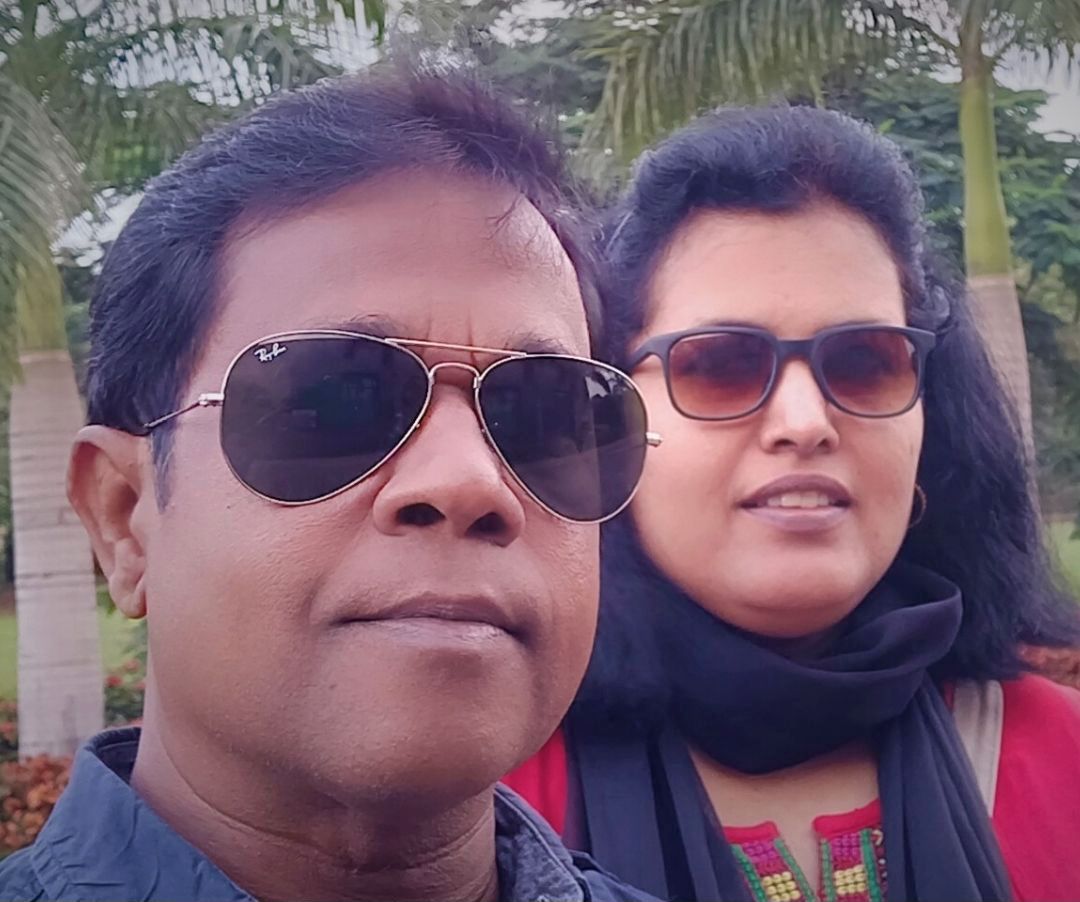
Sandy & Vyjay are a husband and wife duo who are travel content creators. They are co-founders of this travel website and are one of the leading travel content creators in India.
Sandy & Vyjay quit their successful corporate careers to pursue their passion for travel and writing full-time. Their dedication has earned them the “Best Travel Writer” award and numerous accolades on both national and international stages. Focusing on India’s destinations, heritage, and culture, they are passionate advocates for nature and the environment. Through their content, they promote ecotourism and sustainable travel, inspiring others to explore and preserve the beauty of India.